
Complete PPE Guideline: Essential Personal Protective Equipment Safety Rules for Every Workplace

May 29, 2026
Safety Guide

Complete PPE Guideline: Essential Personal Protective Equipment Safety Rules for Every Workplace

Complete PPE Guideline: Essential Personal Protective Equipment Safety Rules for Every Workplace

Personal Protective Equipment (PPE) serves as the last line of defense against workplace hazards. Whether you're working in construction, manufacturing, agriculture, warehousing, or maintenance, using the correct PPE can significantly reduce the risk of injuries and accidents.

Proper PPE not only protects workers but also helps organizations maintain safety standards and improve workplace productivity.

Why PPE Is Important

Workplace hazards can include:

  • Falling objects
  • Flying particles
  • Chemical exposure
  • Dust and fumes
  • Sharp materials
  • Electrical hazards
  • Slippery surfaces
  • Excessive noise

Using the appropriate PPE minimizes these risks and helps create a safer working environment.

Essential PPE Guidelines

1. Assess Workplace Hazards

Before starting any task, identify potential risks and select the appropriate protective equipment.

2. Use the Right PPE

Always choose PPE designed specifically for the job. Incorrect equipment may provide inadequate protection.

3. Inspect Before Use

Check helmets, gloves, goggles, masks, and safety shoes for signs of wear, cracks, tears, or damage before every use.

4. Wear PPE Correctly

Improperly fitted PPE may reduce protection and increase workplace risks.

5. Maintain and Clean PPE

Regular cleaning and maintenance help extend the life of safety equipment and ensure optimal performance.

6. Replace Damaged Equipment

Never continue using damaged PPE. Replace worn or defective equipment immediately.

7. Store PPE Properly

Keep safety equipment in a clean, dry area away from direct sunlight, chemicals, and moisture.

8. Follow Safety Procedures

PPE works best when combined with proper workplace safety practices and hazard awareness.

Types of PPE

Head Protection

Safety helmets protect workers from impacts, falling objects, and electrical hazards.

Eye and Face Protection

Safety goggles and face shields help prevent injuries from dust, chemicals, sparks, and flying debris.

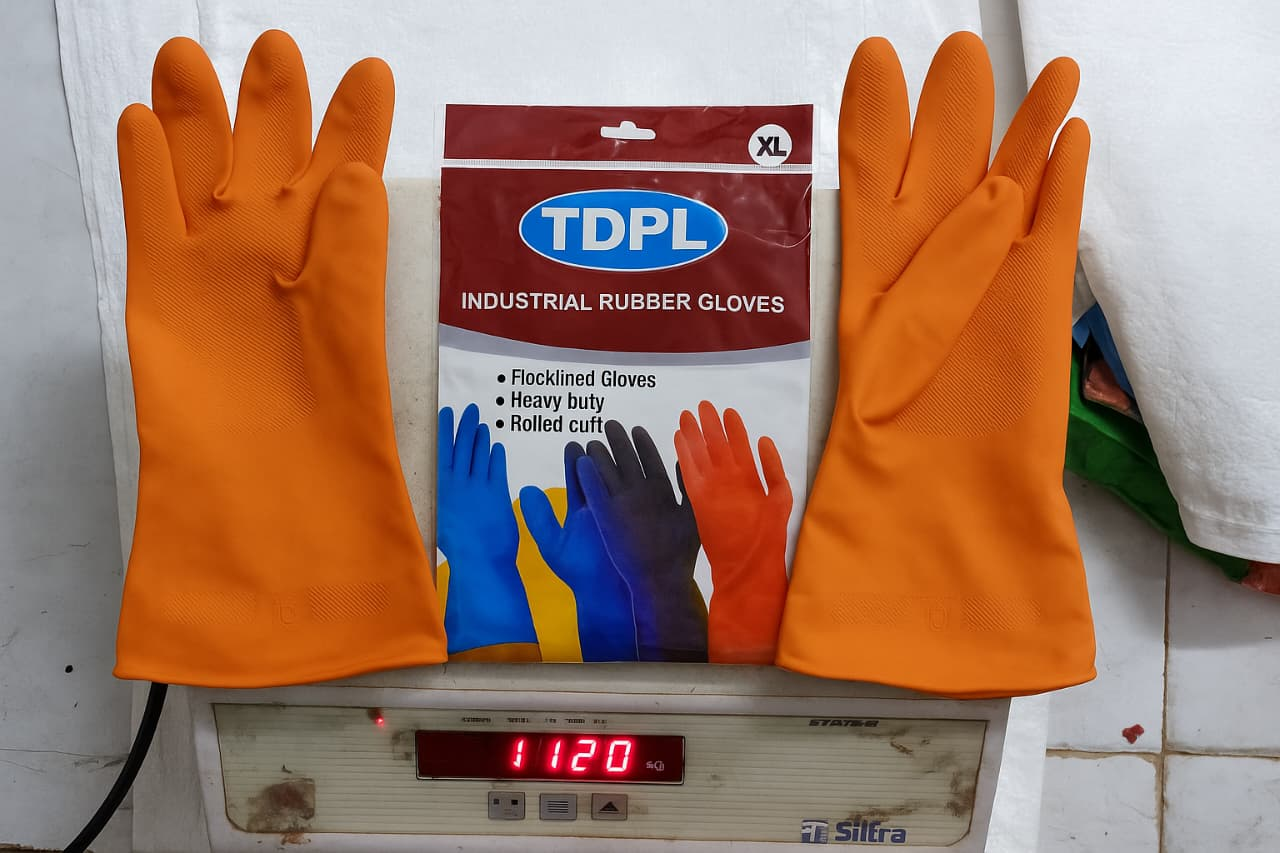
Hand Protection

Safety gloves provide protection against cuts, abrasions, chemicals, heat, and rough materials.

Respiratory Protection

Masks and respirators protect workers from harmful dust, fumes, and airborne contaminants.

Body Protection

Reflective jackets, coveralls, and protective clothing shield workers from environmental and workplace hazards.

Foot Protection

Safety shoes and gumboots protect against punctures, impacts, slips, and chemical exposure.

Common PPE Mistakes to Avoid

  • Wearing damaged equipment
  • Using incorrect PPE for the task
  • Ignoring maintenance schedules
  • Not replacing expired safety gear
  • Improper fitting of helmets, masks, or gloves
  • Failing to inspect equipment before use